Brain Activity During Alcohol Abstinence May Predict Relapse Risk
New research links heightened activity in a specific brain region to relapse risk during alcohol abstinence, pointing toward a potential screening method.
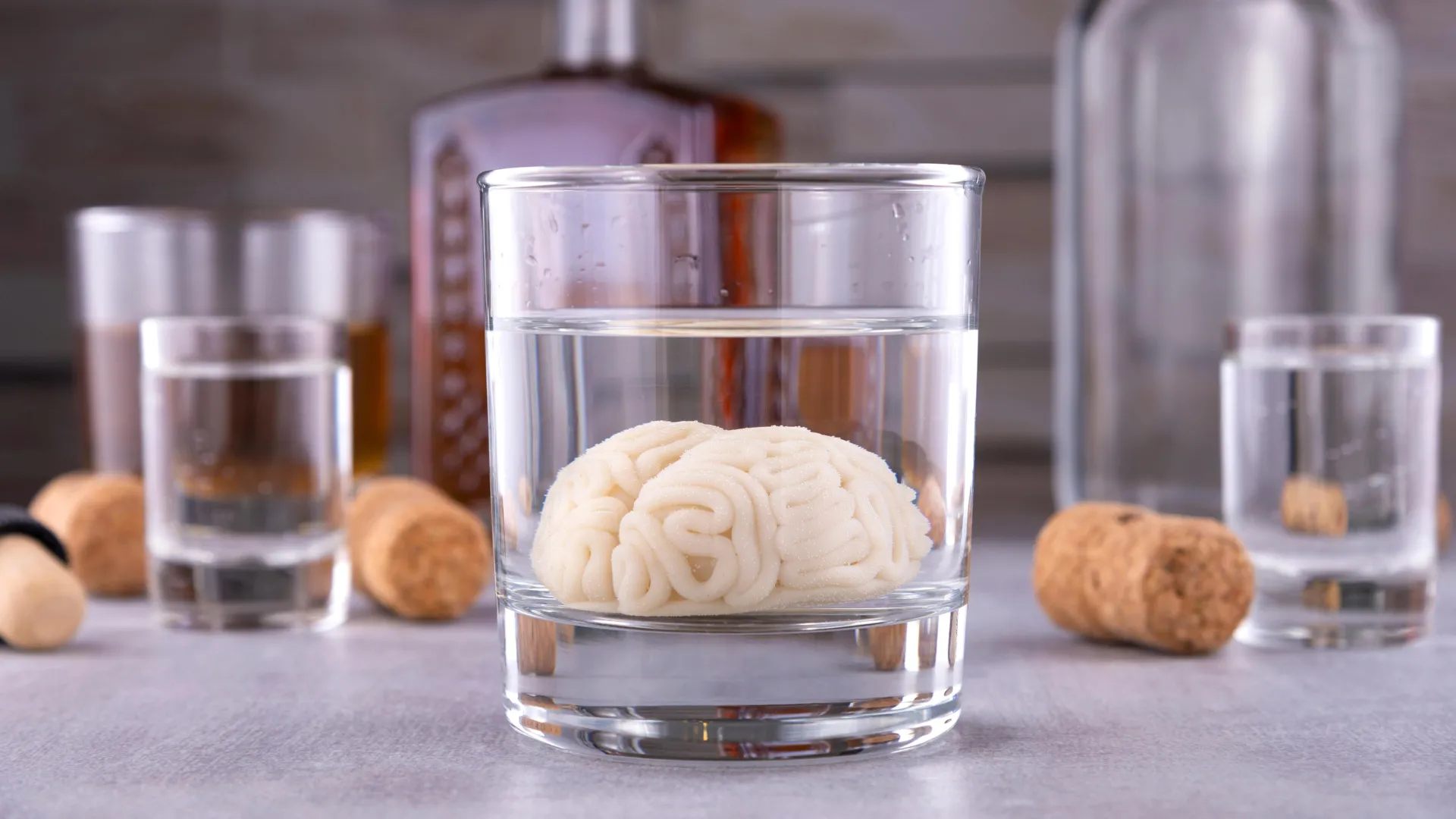
Although alcohol abstinence is associated with improved health outcomes, addiction researchers have theorized that brain changes occurring during abstinence may increase a person’s risk of relapse.
To explore this theory, researchers studied how mice behaved after giving them long-term voluntary access to alcohol followed by a forced abstinence period. A subset of the mice developed aversion-resistant alcohol intake — that is, they drank alcohol despite quinine added to make it increasingly bitter. Moreover, compared to those that did not experience forced abstinence, these mice drank even larger quantities of the very bitter alcohol. These results suggest there are potential bodily challenges associated with abstinence that contribute to relapses in alcohol use disorder.
Next, researchers monitored the activity of a particular collection of cells in a portion of the brain known as the bed nucleus of the stria terminalis, or BNST. Researchers have previously found this small structure to be heavily implicated in alcohol use disorder symptoms such as anxiety and depression.
Allowing abstinent mice to reenter the setting where alcohol was previously available led them to attempt to drink even though the spout contained only water. These attempts were associated with activity in the BNST. Abstinent mice that had developed the taste for very bitter alcohol had more than double the activity in this brain area compared to mice that did not experience forced abstinence.
Importantly, BNST activity was observed even before abstinent mice were given access to the bitter alcohol. This finding suggests it might be possible to identify people who are at risk of relapsing by screening for BNST activity when someone is given access to alcohol.
Why It Matters
Alcohol misuse is one of the top public health challenges in the United States. Although this condition is linked to a wide variety of negative health effects, the public chronically underestimates its seriousness.
Deaths associated with alcohol use in 2024 were 4.5 times higher than deaths attributed to opioids. While harm reduction — a major component of opioid use disorder treatment — is being explored in alcohol use disorder, abstinence remains a mainstay of most approaches to this addiction.
Over 80% of Americans age 12 and older consume alcohol at some point in their lives, and around 10% go on to experience alcohol use disorder — almost 30 million people in need of treatment.
Clinicians are currently ill-equipped to predict who will need help. Although there are treatments approved by the Food and Drug Administration for alcohol use disorder, the number of people diagnosed with this condition remains very high and has effectively doubled in the U.S. since 1999. Developing better strategies for identifying those at risk and helping them navigate treatment options could meaningfully improve outcomes.
What Still Isn’t Known
The exact role the BNST plays in behavior related to alcohol use disorder remains unclear. It is also not yet known what drives the increase in activity, or which specific populations of brain cells within the BNST encode this activity. Obtaining these answers could lead to new treatment targets.
What’s Next
New tools in neuroscience have allowed researchers to manipulate the activity of specific neurons in mice brains. Using these strategies, the research team is working to understand the role the BNST plays in driving alcohol consumption despite harmful consequences.
Colleague Jennifer Blackford is also investigating BNST activity in the brains of people with alcohol use disorder who are in early abstinence. If her team observes similar findings in people, a next step would be to further test the BNST as a screening method in clinical trials.