Medical News
Top 10 Most-Streamed TV Series of September 2026
JustWatch data reveals September 2026's most-watched streaming series, from DC's Lanterns to Ted Lasso Season 4 and Slow Horses Season 6.
JustWatch data reveals September 2026's most-watched streaming series, from DC's Lanterns to Ted Lasso Season 4 and Slow Horses Season 6.
Researchers tested a technique using small electric currents to reshape the cornea without incisions. Early results on rabbit eye tissue show promise for vision
Caffeine can reduce deep sleep quality even when total sleep duration appears normal, creating a cycle of fatigue that drives further caffeine use.
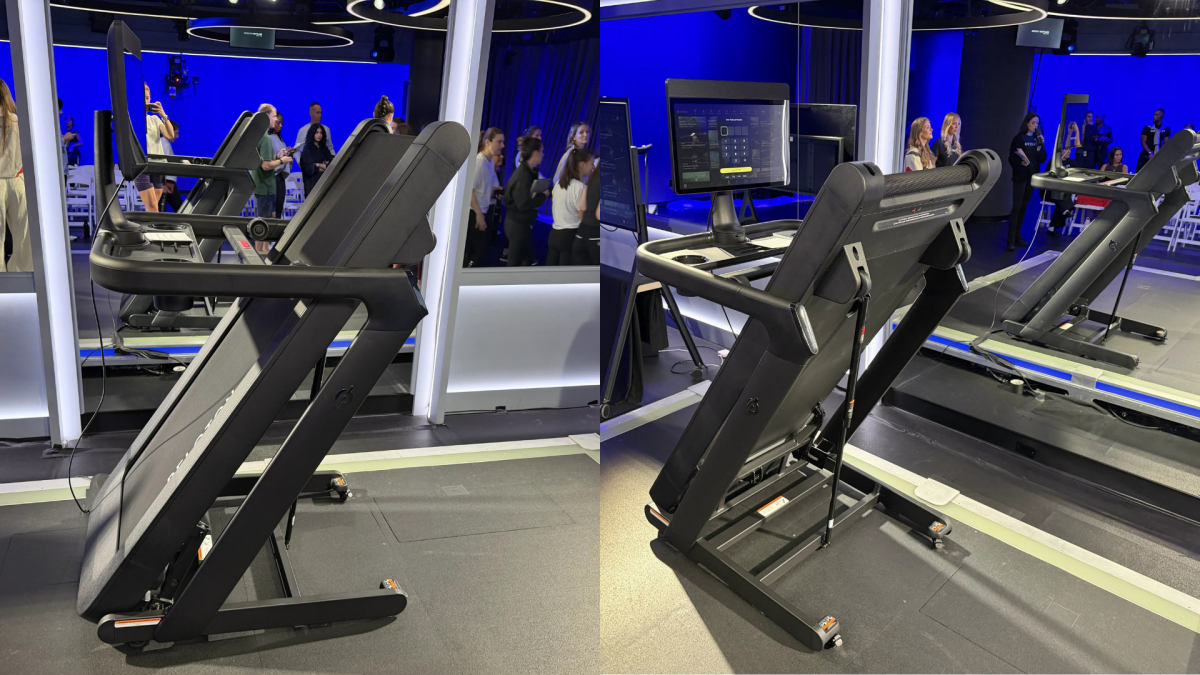
Peloton has unveiled the Tread Flex, Tread Vision, and Tread+ Vision, ranging from $2,195 to $6,695, with new AI-powered software features.
A practical guide to home gym equipment, starting with budget-friendly kettlebells and dumbbells and scaling up to bigger investments.
USC scientists find that healthier superficial white matter may reduce the cognitive impact of gray matter loss in adults over 60.
Breast cancer patients with vitamin D deficiency reported more post-surgical pain and used significantly more opioid painkillers during recovery.
Researchers analyzing bat genomes found strong links between lifespan and immune function, with implications for cancer, aging, and infectious disease in humans
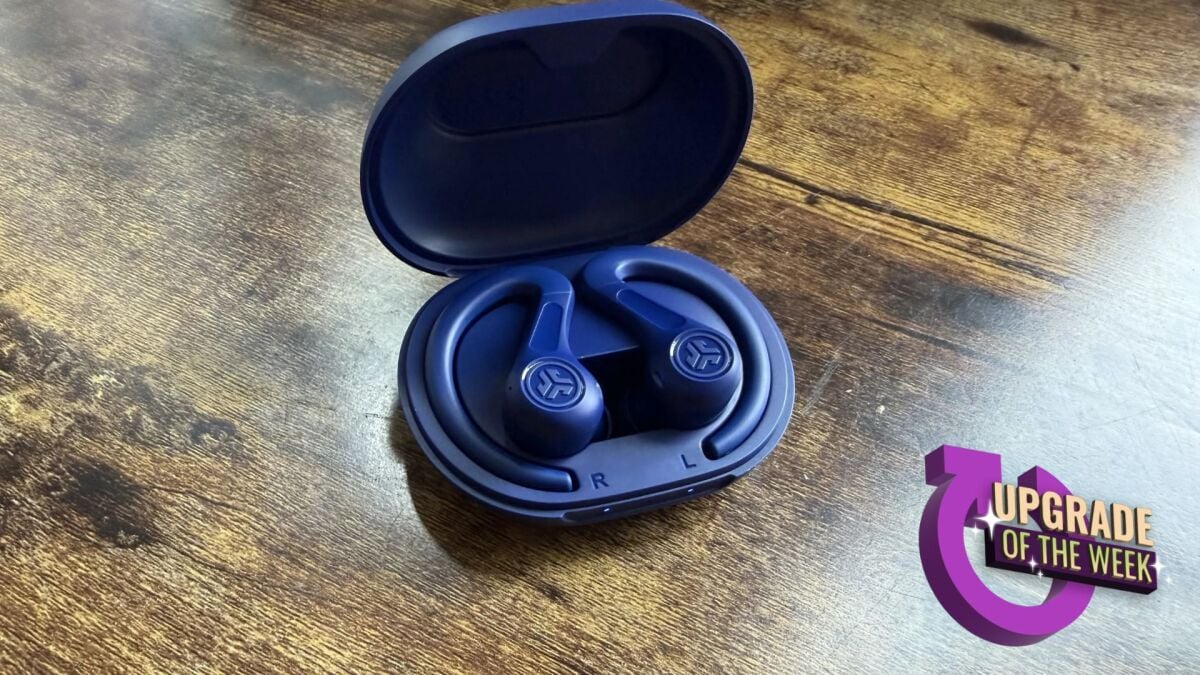
A longtime open-ear headphone user finds a noise-cancelling sport earbud worth switching to. The JLab JBuds Sport ANC 4 costs $69.99.
Vitamin C supplements became popular after a Nobel Prize winner's 1970 book. But the science tells a more modest story.
New research links heightened activity in a specific brain region to relapse risk during alcohol abstinence, pointing toward a potential screening method.
A gut bacterium called Roseburia inulinivorans is linked to greater muscle strength in people and improved muscle performance in mice.
A yeast-based dietary supplement strengthened immune cells in obese mice, reversing cancer-fighting deficits that persisted even after weight loss.
Google Meet's "Take Notes for me" feature now works for in-person meetings, rolling out to AI Pro, AI Ultra, and compatible Workspace users.
Ted Lasso is back for season four on Apple TV+. Here are 10 streaming shows with the same uplifting, feel-good spirit.