Mental Health
Stanford's Label-Free Microscope Reveals Living Cells at 120 Nanometers
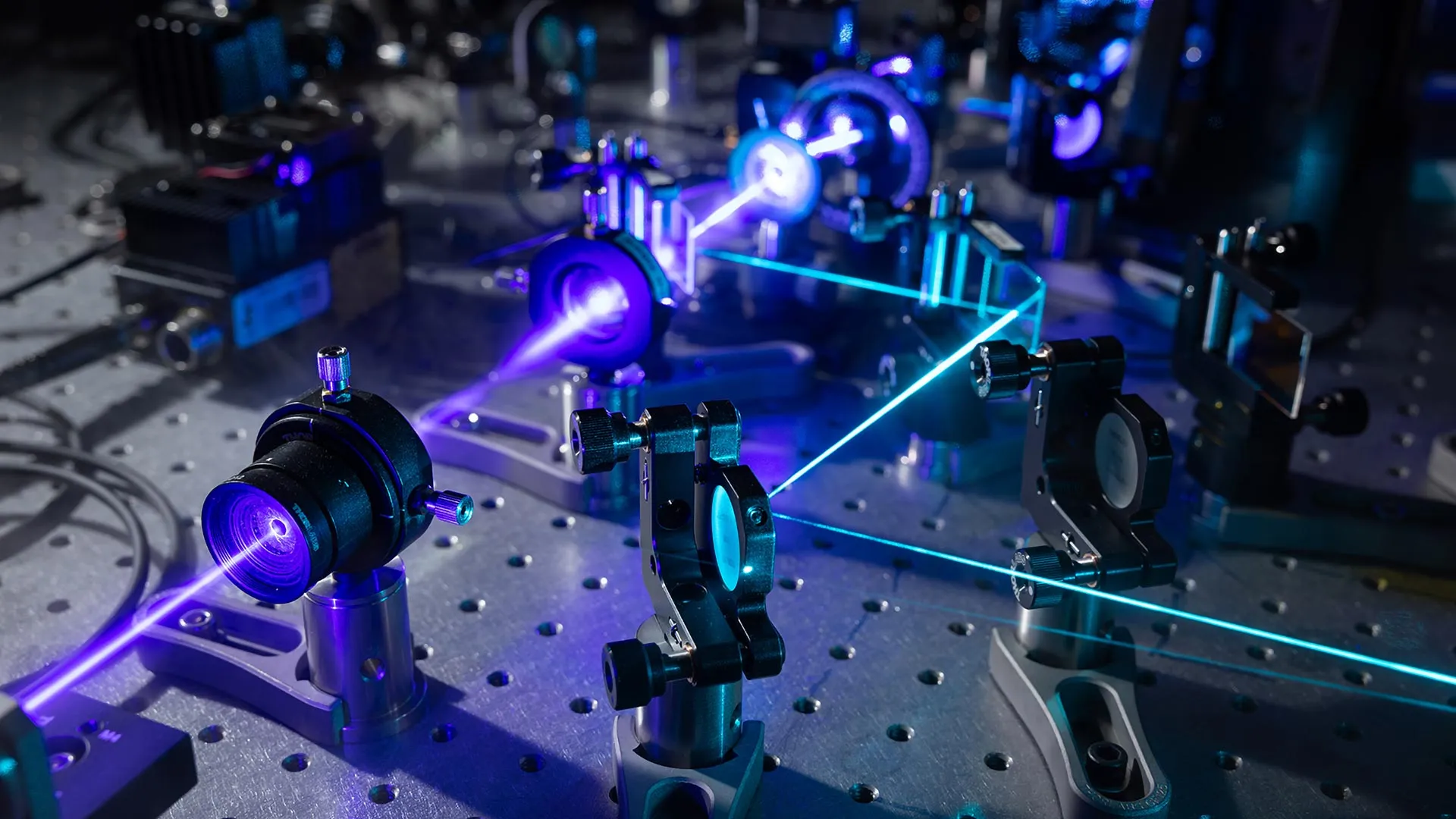
Stanford's new iISM microscope images living cells at 120nm resolution without fluorescent labels, enabling longer observation with less light damage.
Stanford's new iISM microscope images living cells at 120nm resolution without fluorescent labels, enabling longer observation with less light damage.
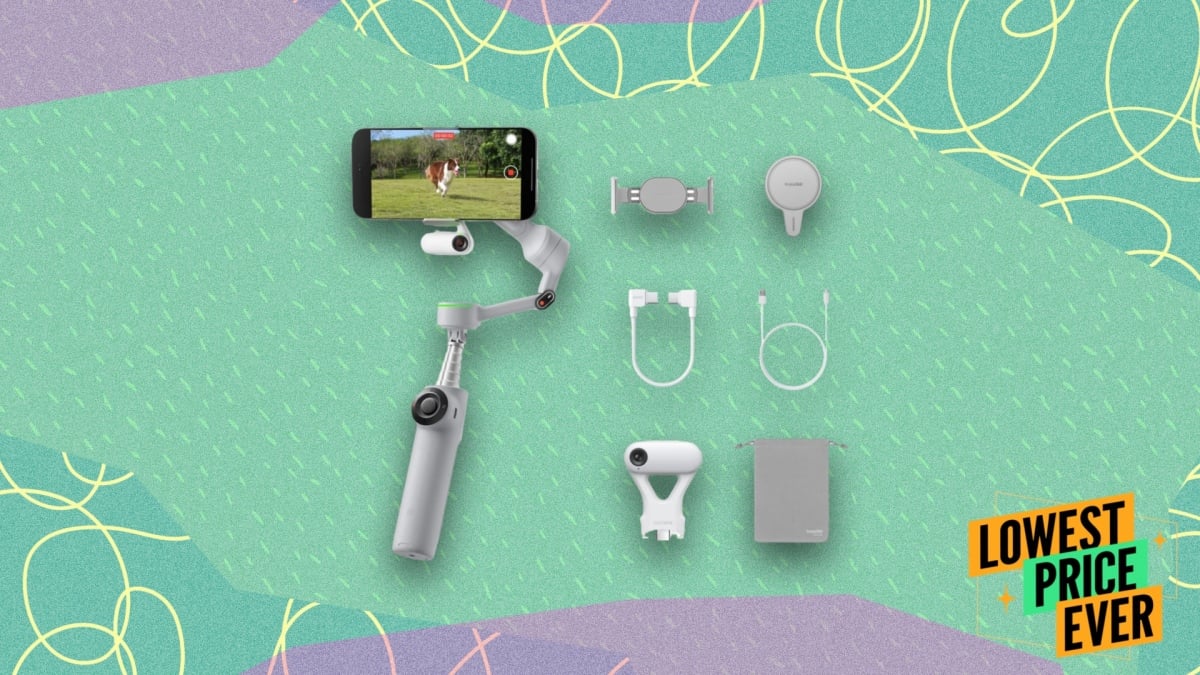
The Insta360 Flow 2 Pro Ultimate AI Tracker Bundle is $154.99 on Amazon, down from $227.99—its lowest recorded price.
Scientists at Flinders University have found that vanillin, the compound behind vanilla's flavor, may help treat chronic wounds, infections, and damaged tissue.
A six-month trial found HIIT reduced fat while maintaining lean muscle in older adults, unlike moderate or low-intensity exercise.
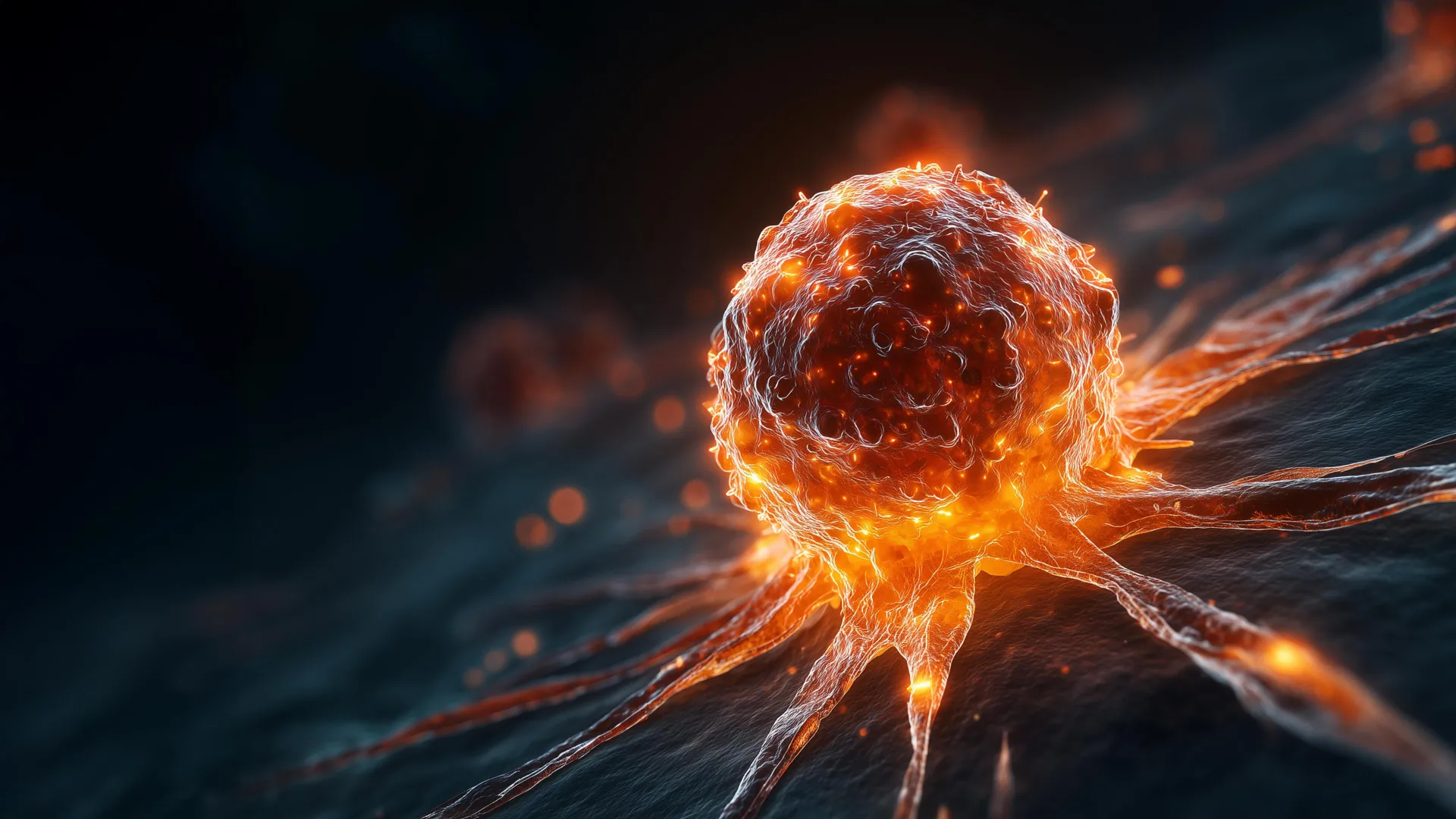
Researchers identified an energy dependency in MDS stem cells that may enable more targeted treatments for this aggressive blood cancer.
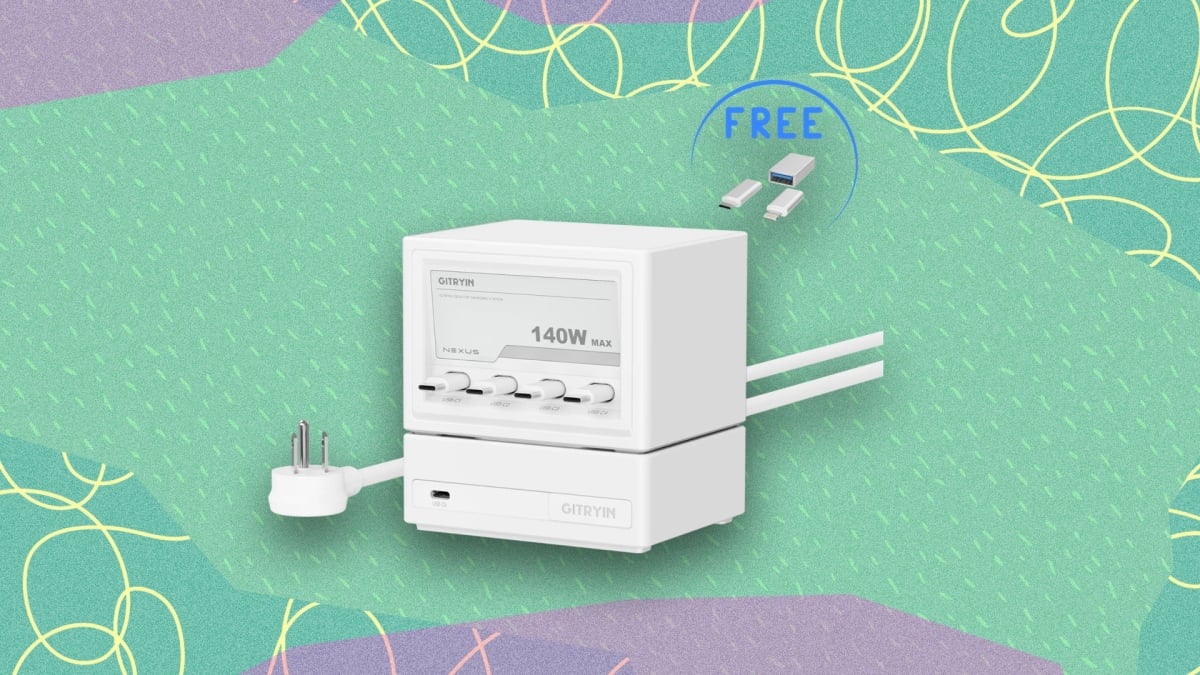
The Gitryin Nexus is a 140W desktop charging station with four built-in retractable USB-C cables. Pre-order pricing starts at $89.99 through Oct. 14.
From handhelds to prebuilt PCs, these are the best gaming gear picks of 2026 for every type of player and budget.
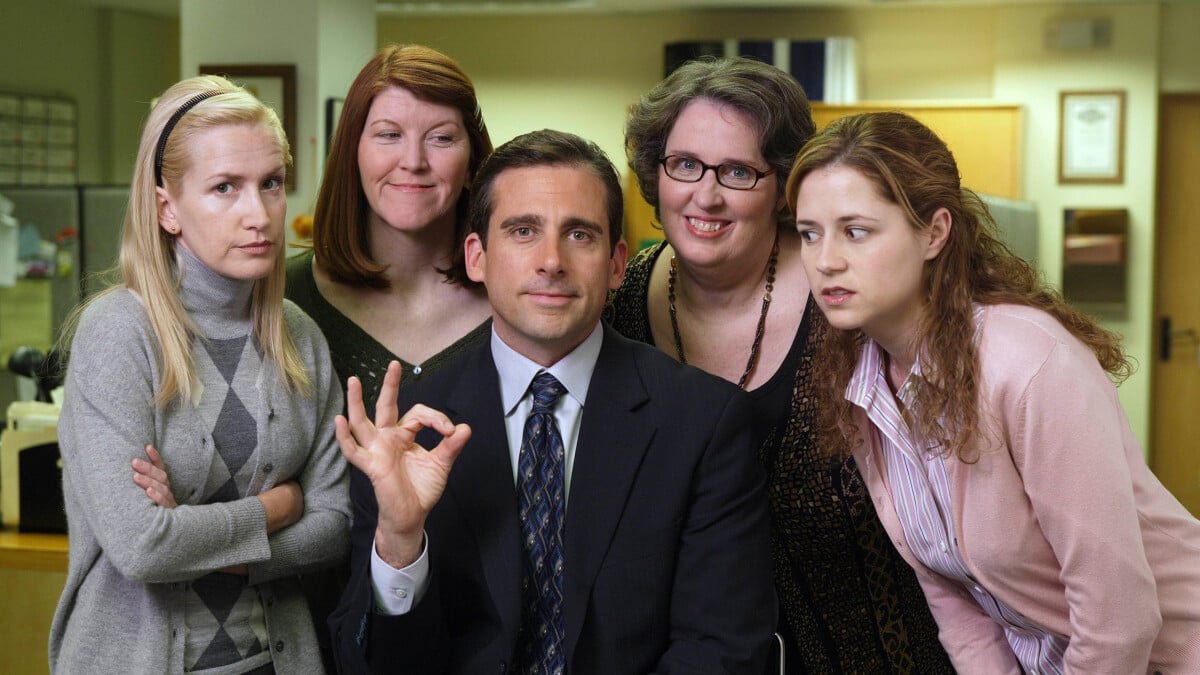
If you've exhausted every rewatch of The Office, these films capture the same cringe comedy and workplace humor you love.
A UIC study finds time-restricted eating may safely improve blood sugar in adults with Type 1 diabetes. Results show promise but researchers urge medical guidan
Labor Day sales run through September 8. Track the best verified deals on tech, tools, and home goods in one place.
Amazon Prime members can claim two free Kindle e-books in September 2026 through the First Reads program. Here's how to get them.
Fans of *Sugar* on Apple TV will find plenty to love in these noir and sci-fi films, starting with the 1955 classic *Kiss Me Deadly*.
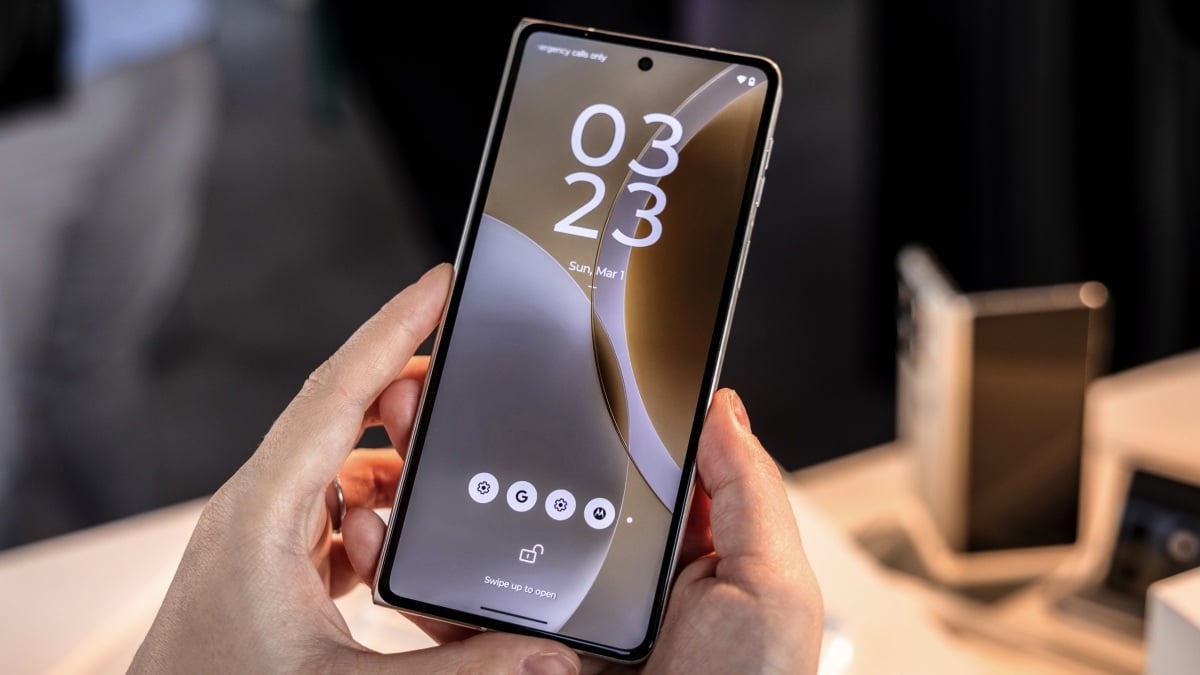
GrapheneOS is partnering with Motorola to expand beyond Pixel phones. Motorola's 2027 slab lineup will be the first to qualify.
Loved *The Hawk* on Netflix? Here are the best sports comedies to stream next, starting with *The Dink* on Apple TV.
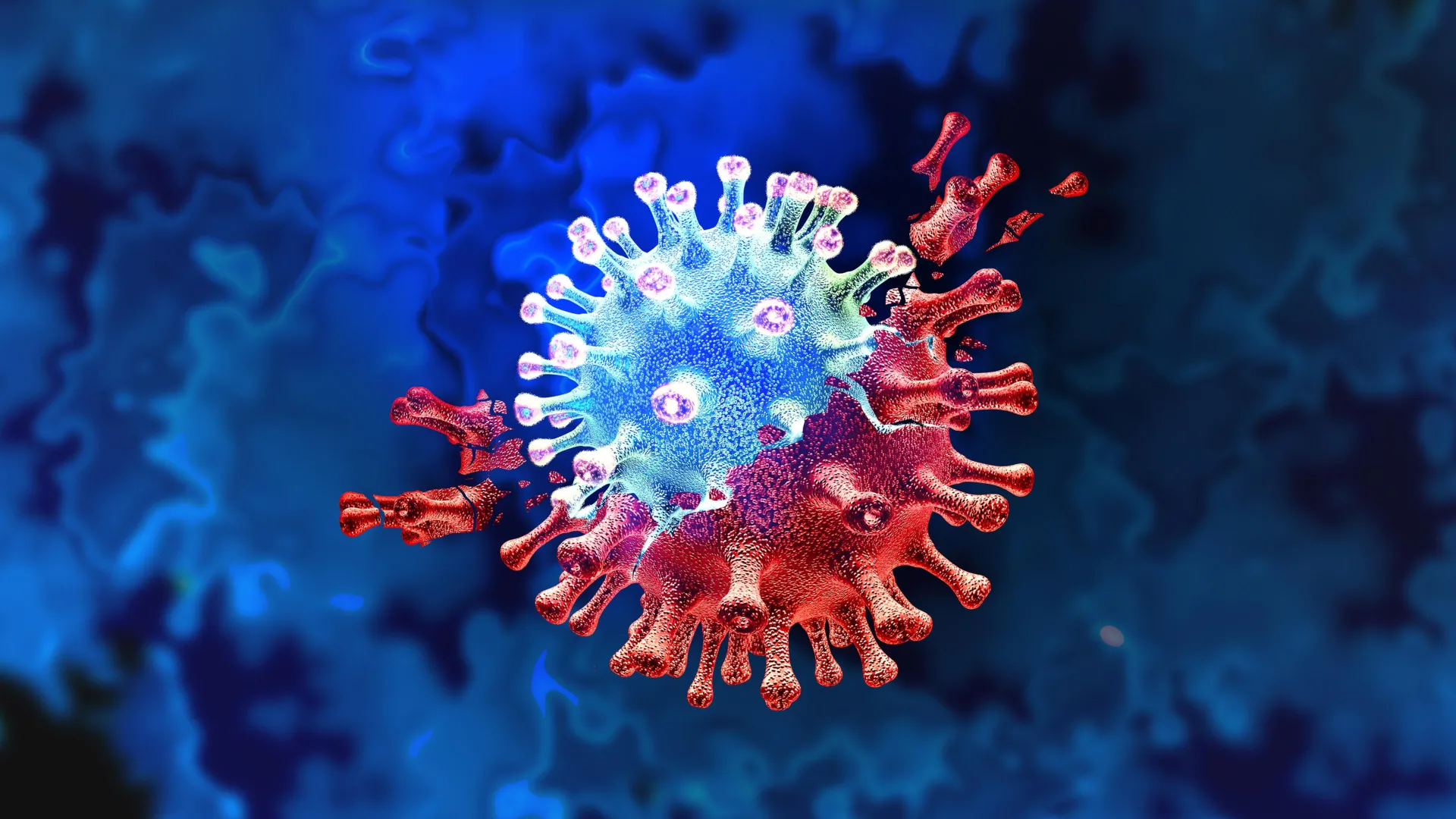
A major NIH-funded study found COVID-19 reactivates 11 dormant viruses in hospitalized patients, with links to long COVID and lasting disability.