Apple Reportedly Scraps Vision Pro Development, Shifts Focus to Smart Glasses
Apple has shelved plans for a new Vision Pro, redirecting resources toward smart glasses expected to arrive in 2027 and 2029.

Key Takeaways
- Industry analyst Ming-Chi Kuo reports that Apple has shelved plans for a new iteration of the Vision Pro.
- Apple is reportedly redirecting its wearable hardware resources exclusively toward developing smart glasses.
- The company will reportedly release display-free audio/AI glasses in 2027, followed by AR display glasses in 2029.
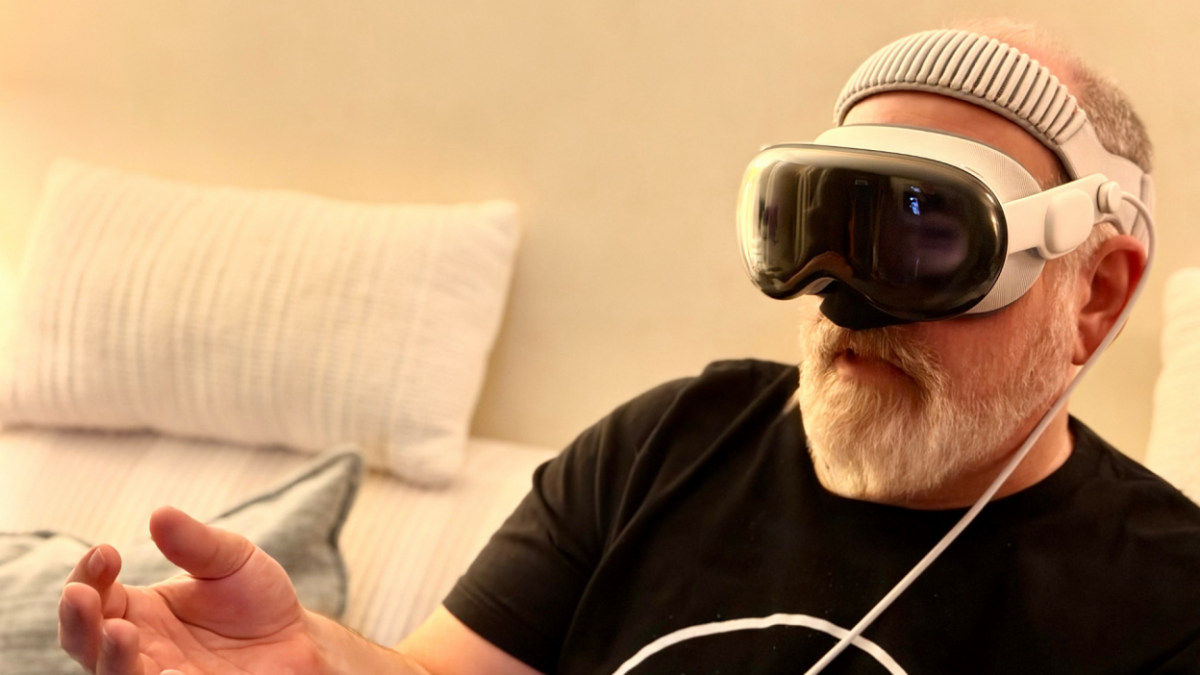
Pour one out for the Apple Vision Pro. According to industry analyst Ming-Chi Kuo, Apple has scrapped plans to release a new version of its VR/AR headset for the foreseeable future. Apple’s CEO-in-waiting, John Ternus, reportedly signed off on the company’s decision to focus only on smart glasses instead. The company has also supposedly canceled development on the Vision Air, a rumored lighter version of the Vision Pro.
Instead of new AR headsets, Apple is reportedly developing two different lines of smart glasses: audio- and AI-focused spectacles comparable to the Ray-Ban Meta glasses, and AR-focused smart glasses akin to the Meta Display glasses. According to Kuo, Apple’s audio/AI glasses are expected to hit the market in 2027, while the waveguide-powered display models won’t arrive until 2029. That sounds like a long time to wait, given recent rapid developments in the market.
The Long History of Apple Smart Glasses Rumors
Apple has never officially announced plans to develop any kind of eyewear, but according to sources with solid track records, releasing smart glasses is a major priority for the company, and has been for some time. A Bloomberg report from 2016 predicted Apple glasses that would wirelessly connect with iPhones, an initiative that has apparently been scrapped as well.
Apple Vision Pro: Too Expensive, Too Limited, but Extremely Cool
As a relatively recent adopter of the Apple Vision Pro, news that an improved version may never come out is a bummer for sure. At over $3,500 for the base model, it’s obviously too expensive for most people, and it doesn’t actually do that much - a small pool of users offers little incentive for developers - but there’s no denying the Vision Pro’s tech is often jaw-droppingly impressive. There’s so much possibility with this thing, even if it hasn’t been fully realized.
As Kuo points out in his post announcing the Vision Pro’s cancellation, Apple dropping the Vision Pro and shifting resources toward smart glasses makes sense (people actually seem to want smart glasses), but it’s still a drag. Maybe the technology will eventually exist that can put Vision Pro-level experiences in a pair of sunglasses, but it probably won’t be here in 2029.
What Does This Mean for the Future of Full VR/AR Devices?
With both Meta and Apple pulling resources out of their flagship VR headsets - the former is also refocusing on smart glasses - the dream of mass adoption of VR seems dead. But that doesn’t mean there’s no future for the technology. Full-immersion virtual reality seems to be returning to its roots. Between 1989, when the very first VR gear hit the market, and 2021, when the Metaverse was announced, virtual reality was the domain of early adopters, hobbyists, futurists, and people with a real need for it. Maybe there aren’t enough of them to make Apple or Meta money at scale, but there are enough niche uses for the technology to support smaller companies putting resources into VR.